


Table of contents
- The Google Ads integration is here: sync your leads automatically
- What changes between yesterday and today?
- The key features of the new integration
- A practical example: the dental practice
- How to set up the integration
- Why does this update matter so much?
The Google Ads integration is here: sync your leads automatically
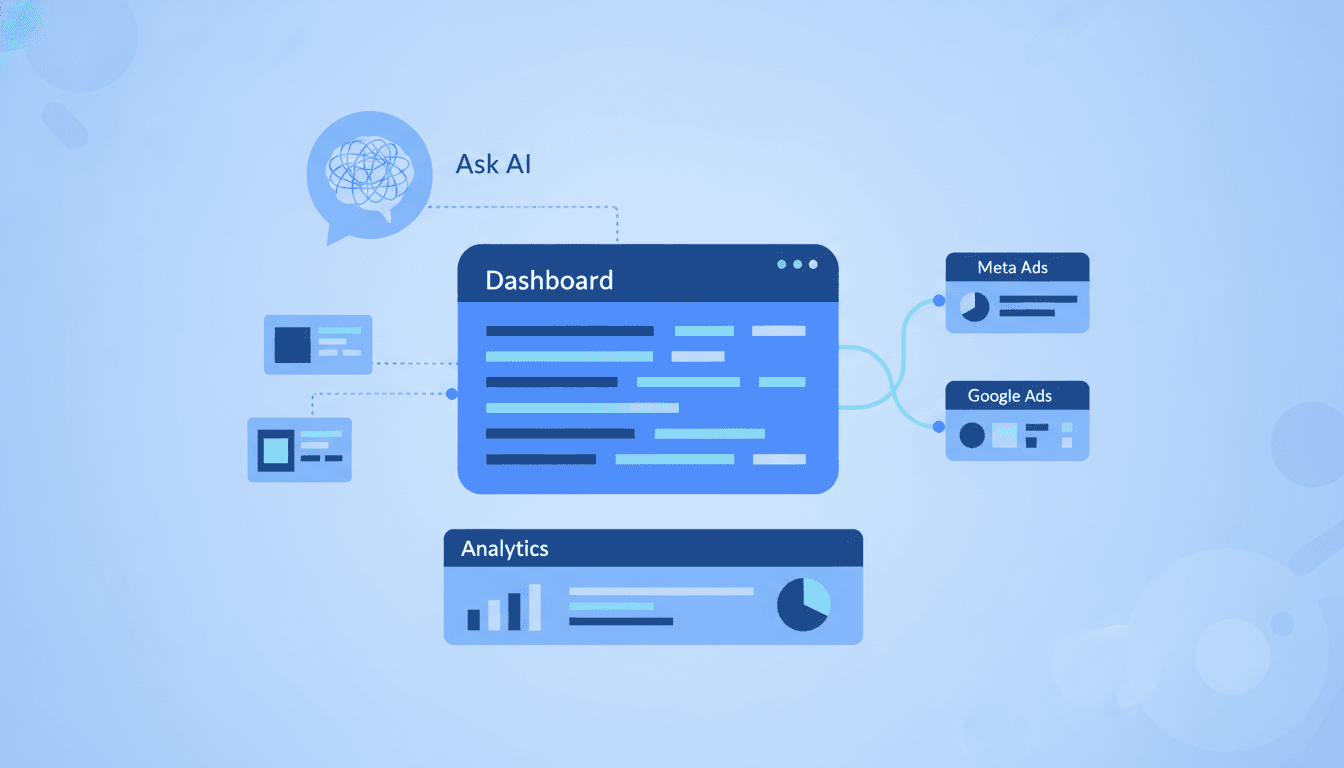
We are delighted to announce an update that will transform the way you handle contacts coming from your advertising campaigns: the new native integration with Google Ads lead campaigns.
From today you can say goodbye to manual exports and awkward links to third-party tools. The leads generated by your campaigns on Google arrive directly and instantly inside Futuria CRM, ready for your automations to take over.
What changes between yesterday and today?
Until yesterday, the process was cumbersome. For every lead generated by a Google campaign, you had to download a CSV file, import it into the CRM by hand, and only then could you start working it. That delay, even if only a few hours, could be the difference between a customer won and an opportunity lost.
Today, everything changes. The instant a user completes the form on your Google ad, their details are sent to Futuria CRM. That means you can trigger an automation that contacts them within seconds, while their interest is still at its peak.
The key features of the new integration
We have designed this feature to be powerful yet remarkably simple to use.
- Simple set-up: connect your Google Ads account to Futuria CRM in a few clicks. You can connect several advertising accounts managed by the same Google account and see all your active lead forms on a single screen.
- Automatic lead syncing: as soon as a user submits a form, a new contact is created automatically in your CRM, complete with all the details they provided.
- Automations and workflows: use the new “Google Lead Form Submitted” trigger to start email or SMS sequences, assign the contact to a team member or add them to a specific sales pipeline.
A practical example: the dental practice
Imagine you run a dental practice and you have launched a lead campaign on Google Ads offering a first appointment with a free scale and polish.
Before: Laura, a prospective patient, sees the ad and fills in the form. Her details end up in a file that reception downloads at the end of the day. The next day, Laura is contacted, but in the meantime she has already booked an appointment with another practice that rang her straight away.
Today: Laura fills in the form. Instantly, this happens: 1. Her contact is created in Futuria CRM and tagged as “First Appointment Lead”.
2. An automation sends her a confirmation SMS: “Thank you for your interest, Laura! We will be in touch within 15 minutes to arrange your free appointment at Studio Dentistico Bianchi.”
3. A notification goes to reception, who see the new contact in the “New Patients” pipeline and can ring her immediately to book the appointment.
The result? Efficiency on a whole new level and a customer experience that starts in the best possible way, dramatically increasing your lead-to-patient conversion rate.
How to set up the integration
Switching on the sync is child's play. Follow these steps:
- Go to Settings in the left-hand menu and click Integrations.
- Search for and select Google Ads.
- Click “Connect” and sign in with the Google account that manages your advertising campaigns.
- Select the advertising account you want to connect.
- At this point you will see a list of all your campaigns and their lead forms.
- Enable syncing for the forms you care about and map the form fields (for example “Name”, “Email”) to the matching fields in Futuria CRM.
Once the mapping is complete, the status will change to “Active” and leads will start arriving automatically. All that is left is to build your automations so you never miss an opportunity again!
Why does this update matter so much?
This integration is not just a technical improvement, it is a direct response to what our community asked for. It offers a single place to manage leads, putting an end to scattered data and scattered tools. Above all, it lets you dramatically improve your team's efficiency and response time, a decisive factor for winning in today's market.